
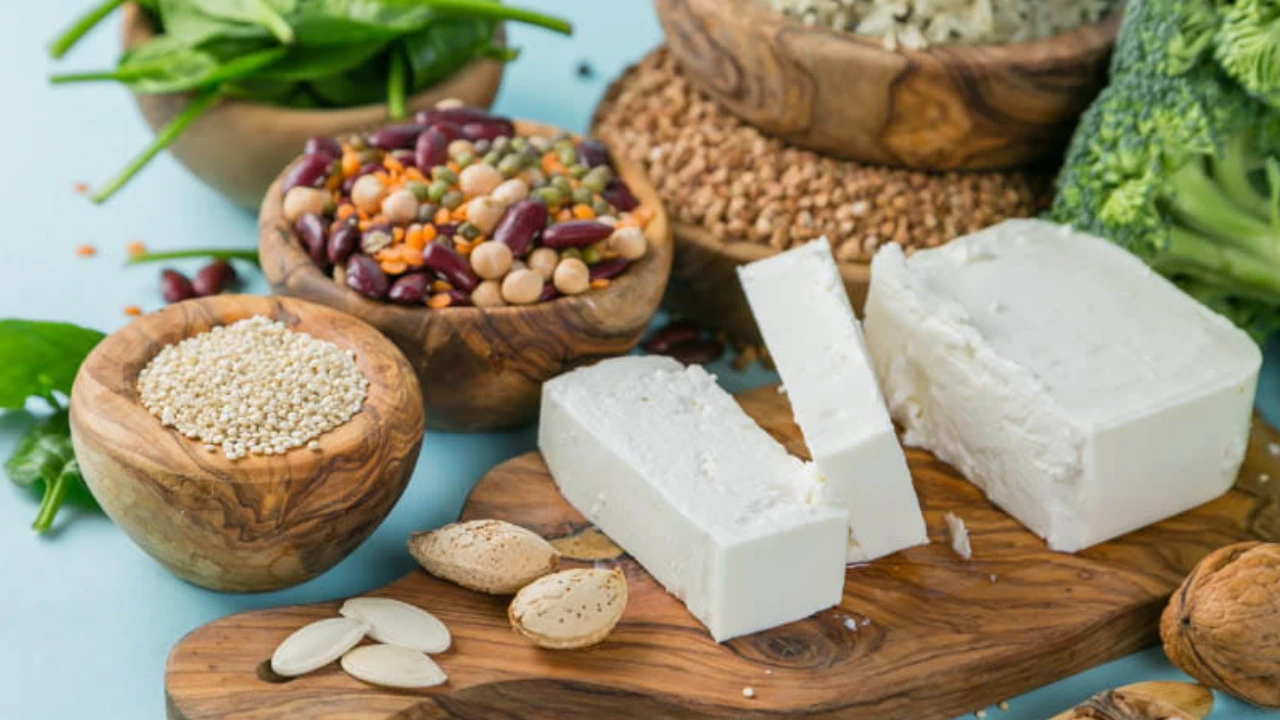
Protein in plants? It’s in there – and here’s why you should try it
Protein. It’s what’s for dinner.
But many consumers are realizing they don’t need a steak on the table for protein. Instead, they’re turning their tastes toward plant-based sources.
Dr. Andrea Glenn, an assistant professor of nutrition at New York University in New York City, said it’s as easy to get protein from sources that grow in the field as it is from the animals that graze there.
“All plants contain protein,” she said.
Why do we need it?
Protein is a macronutrient, meaning the body needs it in large amounts for different things, such as building muscle and bones, forming cartilage, skin and blood, and providing calories that give the body energy. Hormones, vitamins and enzymes that support the cells in the immune system are also made from protein.
“It’s essential for life, really,” Glenn said.
How much is enough?
The recommended daily allowance for protein consumption for adults is 0.8 grams per kilogram of body weight, or about 0.36 grams per pound. For a person who weighs 150 pounds, that’s about 54 grams of protein per day.
Children and pregnant or breastfeeding women need slightly more grams of protein per kilogram of body weight for tissue growth and development.
Eating enough protein is important as people age to prevent the loss of lean muscle mass, according to federal dietary guidelines. But 50% of women and 30% of men 71 and older don’t eat enough of it.
Overall, adult men do a better job of consuming protein than women, who often fall short of the recommended daily amounts, the guidelines say. The deficits seem to come from the types of protein people choose and how they eat them. Adults in the U.S. typically consume protein as part of a mixed dish, such as a casserole, or in a pasta dish or sandwich, which can contain higher amounts of saturated fat and sodium and other less nutrient-dense ingredients.
While most people – 3 out of 4 – meet or exceed the recommendation for protein from meats, poultry and eggs, nearly 90% don’t eat enough seafood and more than half don’t meet the recommendation for nuts, seeds and soy products, according to the federal dietary guidelines.
The American Heart Association encourages adults to get most of their protein from plants, such as legumes and nuts, as well as from seafood and low-fat dairy products. Animal-based proteins should come from lean cuts of meat and skinless poultry. Processed meat should be avoided.